Waterfall Rappelling
Canyoning Tours in Costa Rica
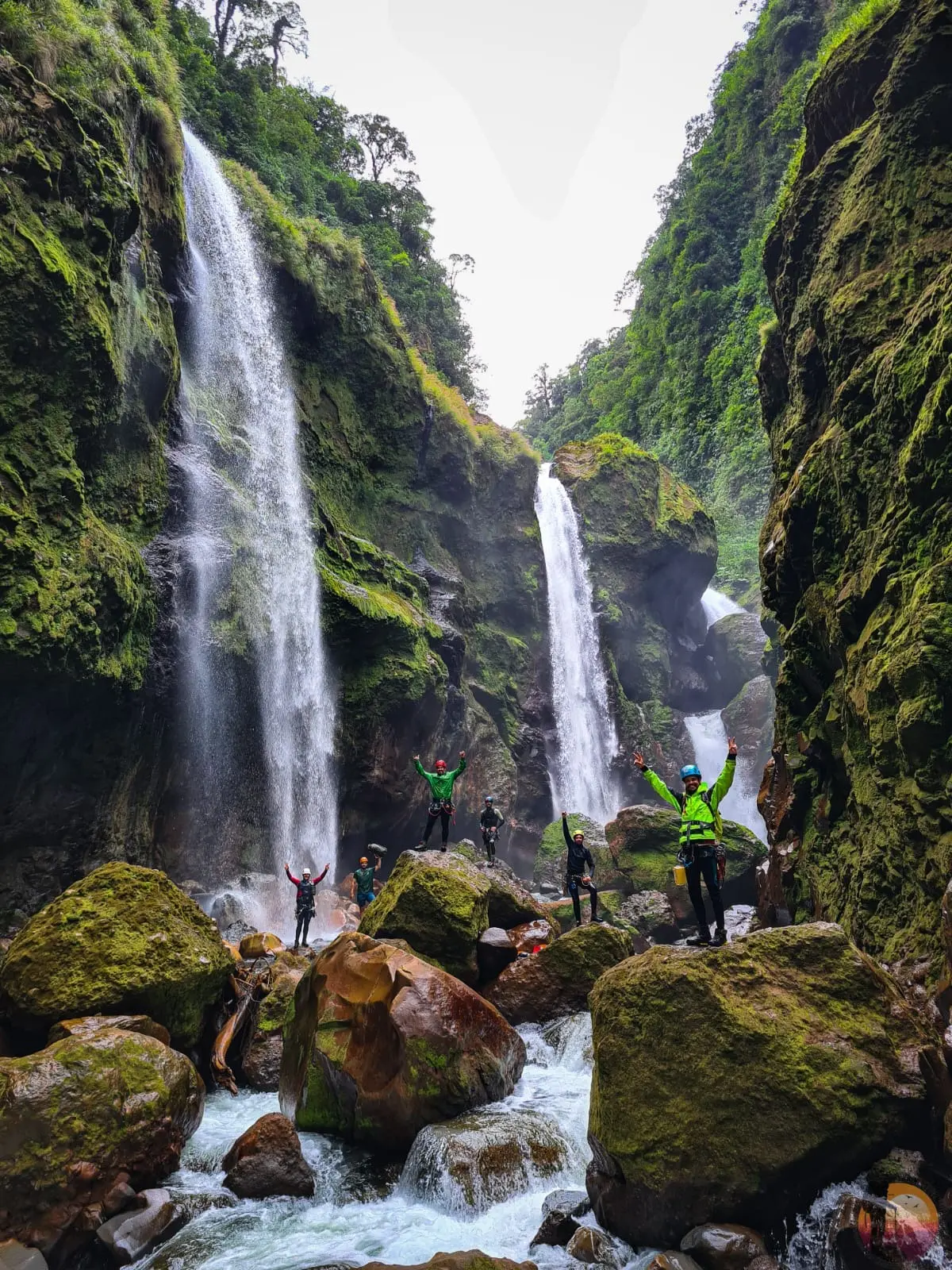
Waterfall rappels, natural waterslides and hidden canyons across Bajos del Toro and Turrialba — from easy first-timer routes to some of the most demanding canyons in the country.
See the tours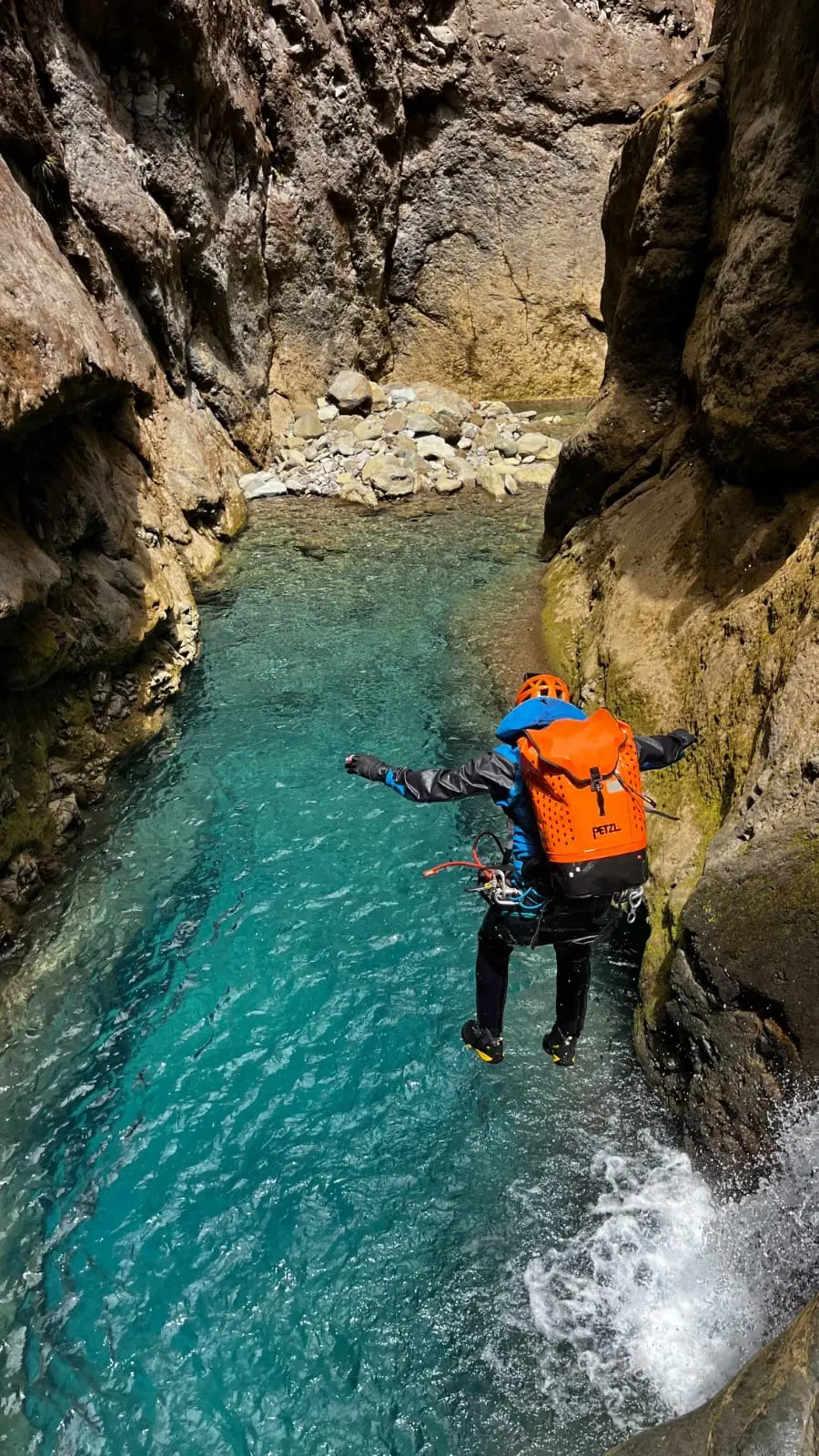 12 Canyons · All Levels
Why Canyon With Us
Costa Rica’s Canyoning Capital
Bajos del Toro, on the slopes of Poás Volcano, is considered the canyoning epicenter of Costa Rica — dozens of canyons carved by rivers flowing off the volcano. Turrialba is the country’s other major hub.
12 Canyons, Every Level
From easy first-timer routes with three rappels to advanced canyons with twelve — there is a canyon for every fitness level and comfort with heights.
Certified Equipment & Guides
Every tour includes certified rappelling gear and guides trained in canyon rescue — the same standard whether you are booking a beginner route or an advanced one.
Two Regions, One Trip
Routes near Bajos del Toro (Poás Volcano) and Turrialba mean you can canyon near San José without traveling to a single, distant base.
Most Booked
Featured Canyoning Tours
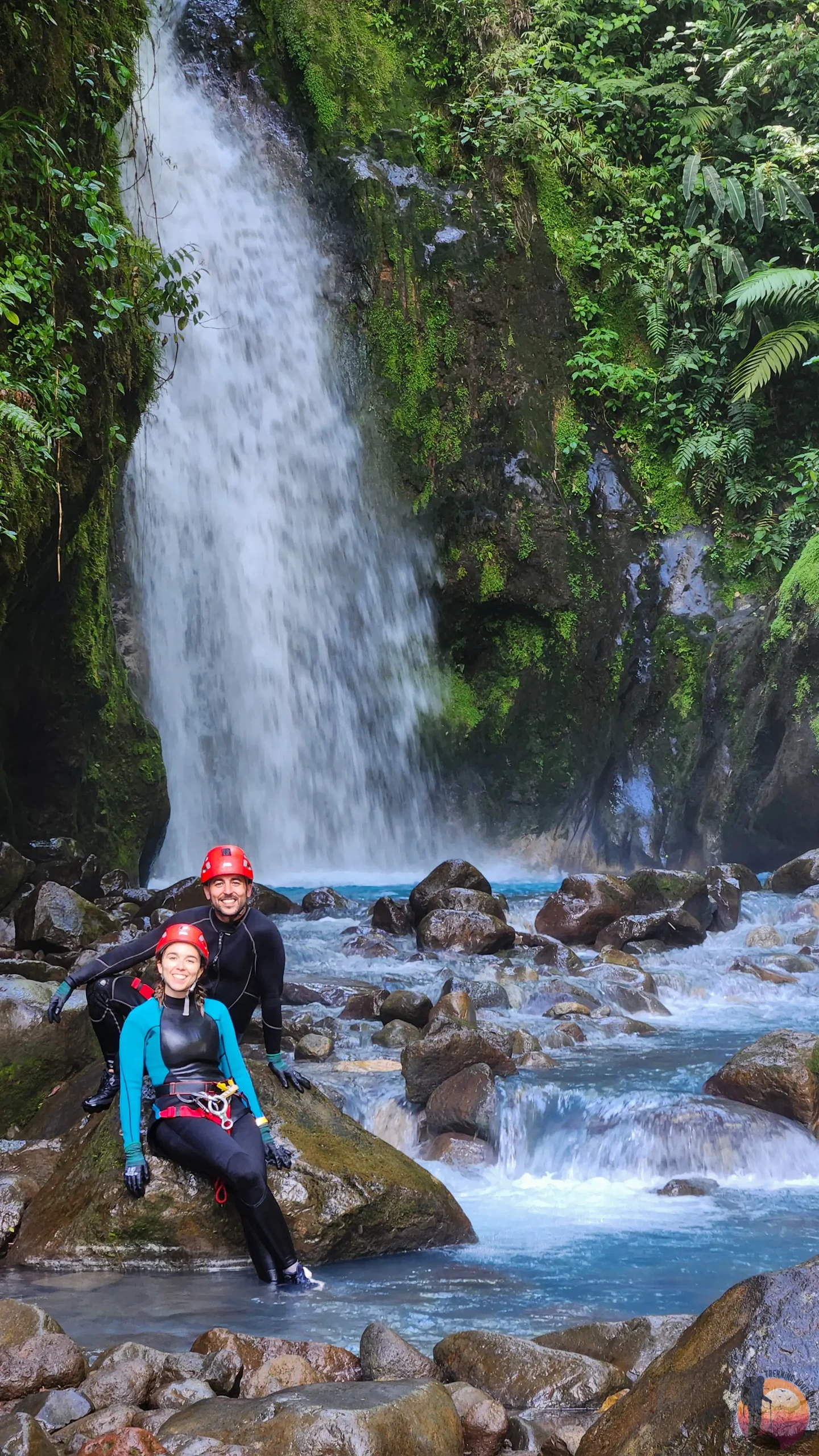
Gata Media Canyoning
Bajos del Toro, Alajuela
Four waterfall rappels and five natural waterslides through the cloud forest of Bajos del Toro, on the slopes of Poás Volcano. No previous canyoning experience required.
- Duration5 hours
- Minimum age8+
- LevelBeginner / Intermediate
- Highlights4 rappels · 5 slides
Included Certified gear, farm entrance, snack, photo package.
$250 per person
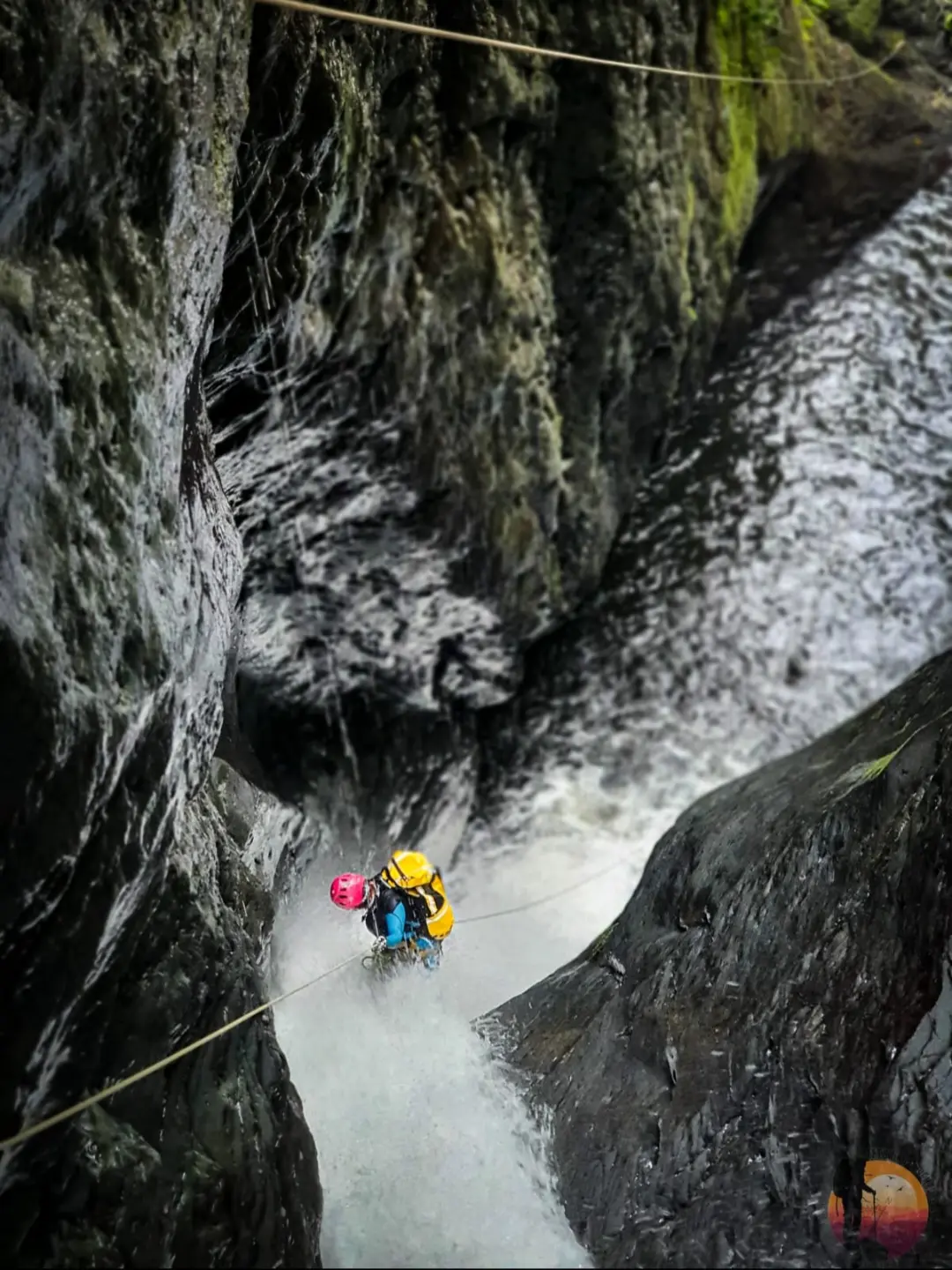
Las Trillizas Canyoning
Santa Cruz de Turrialba, Cartago
Six waterfall rappels, four jumps and three natural waterslides through a dramatic canyon near Turrialba. An intermediate route for canyoners ready for more.
- Duration5 hours
- Minimum age8+
- LevelIntermediate
- Highlights6 rappels · 4 jumps
Included Farm entrance, showers, parking, certified gear, snack, photo package.
$250 per person
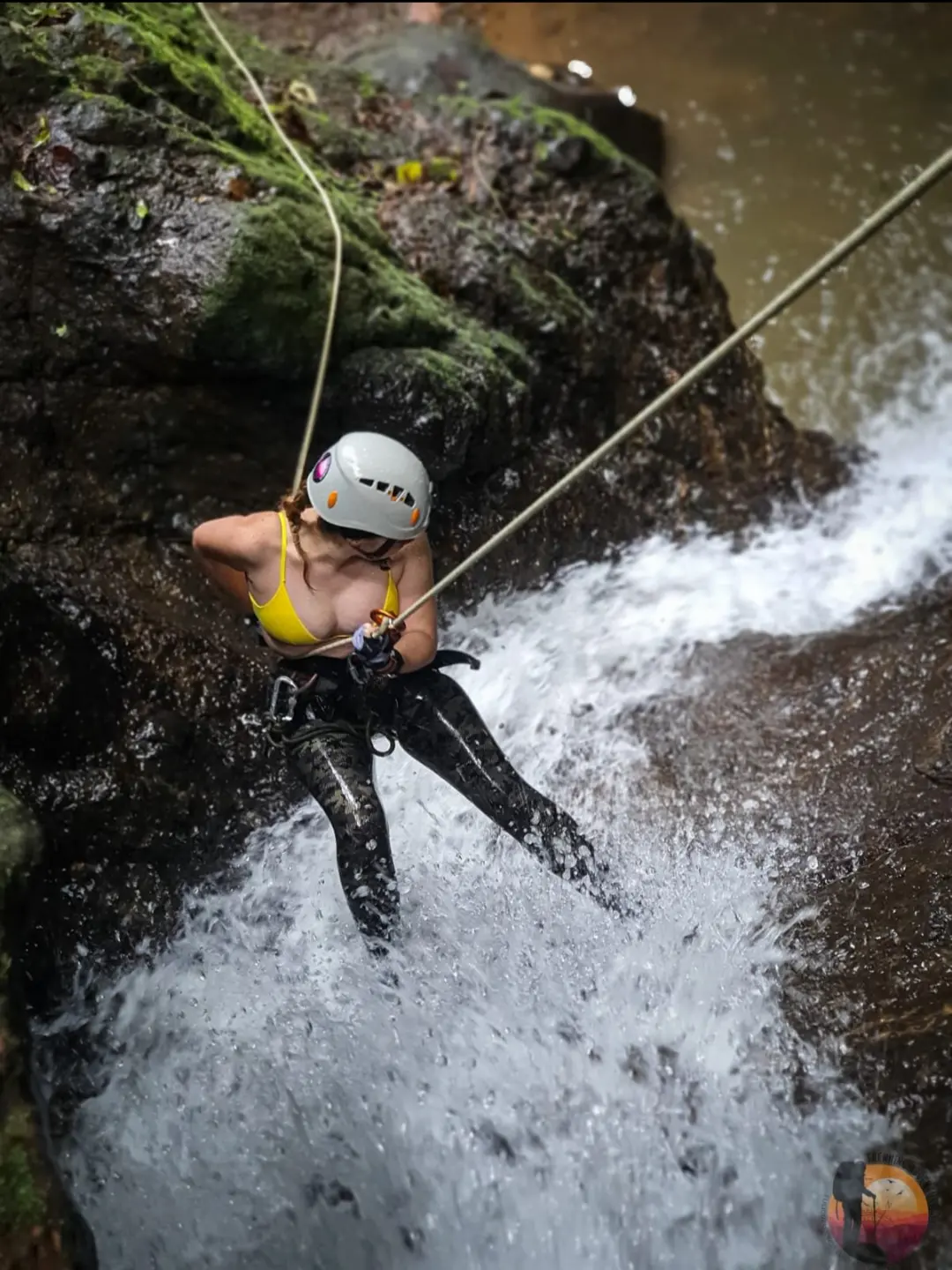
El Silencio Canyoning
Turrialba (Sitio Mata), Cartago
Five waterfall rappels and one natural waterslide through the El Silencio canyon near Turrialba, finishing with lunch. Built for first-time canyoners.
- Duration5 hours
- Minimum age8+
- LevelBeginner
- Highlights5 rappels · Lunch included
Included Entrance tickets, parking, showers, certified gear, snack, photo package, lunch.
$125 per person · min. 2 pax
Before You Book
Canyoning FAQs
Experience, age requirements, safety, pricing and what to bring — everything before you book Gata Media, Las Trillizas or El Silencio.
No. Gata Media and El Silencio are built for first-time canyoners — our guides handle the technical rigging and rappel setup. Las Trillizas is intermediate and moves a little faster, but still does not require previous experience.
Participants must be at least 8 years old for these three tours.
Gata Media and Las Trillizas are $250 per person, including certified gear, farm entrance, snack and a photo package. El Silencio is $125 per person, minimum 2 people, including entrance tickets, parking, showers, certified gear, snack, photo package and lunch.
Not necessarily. The other nine canyons on this page do not have a fixed price yet — message us on WhatsApp with the canyon name and your group size for a quote.
Yes. Every tour uses certified rappelling gear and guides trained in canyon rescue, with a mandatory safety briefing before the first rappel.
Closed-toe shoes that can get wet, quick-dry clothing, a swimsuit underneath, and a change of clothes for after the tour. Sunscreen and a reusable water bottle are also a good idea.
Yes, though guides check each canyon’s conditions before every departure — heavy rain can occasionally postpone a specific canyon for safety.
Most tours run about five hours total, including gear-up, the safety briefing, the descent itself and a snack break.
The Full Lineup
12 Canyons, Sorted by Level
Gata Media, Las Trillizas and El Silencio have their own tour pages and can be booked directly. The rest are available on request — message us on WhatsApp with the canyon name and your group size for a quote.
Beginner Canyons
Three to four rappels, full guide instruction between every drop, and routes built for canyoners with zero experience. If this is your first time on rope, start here.
Is beginner canyoning safe for kids?
Generally, yes — check the specific canyon’s minimum age, but beginner routes are built with first-timers and younger canyoners in mind.
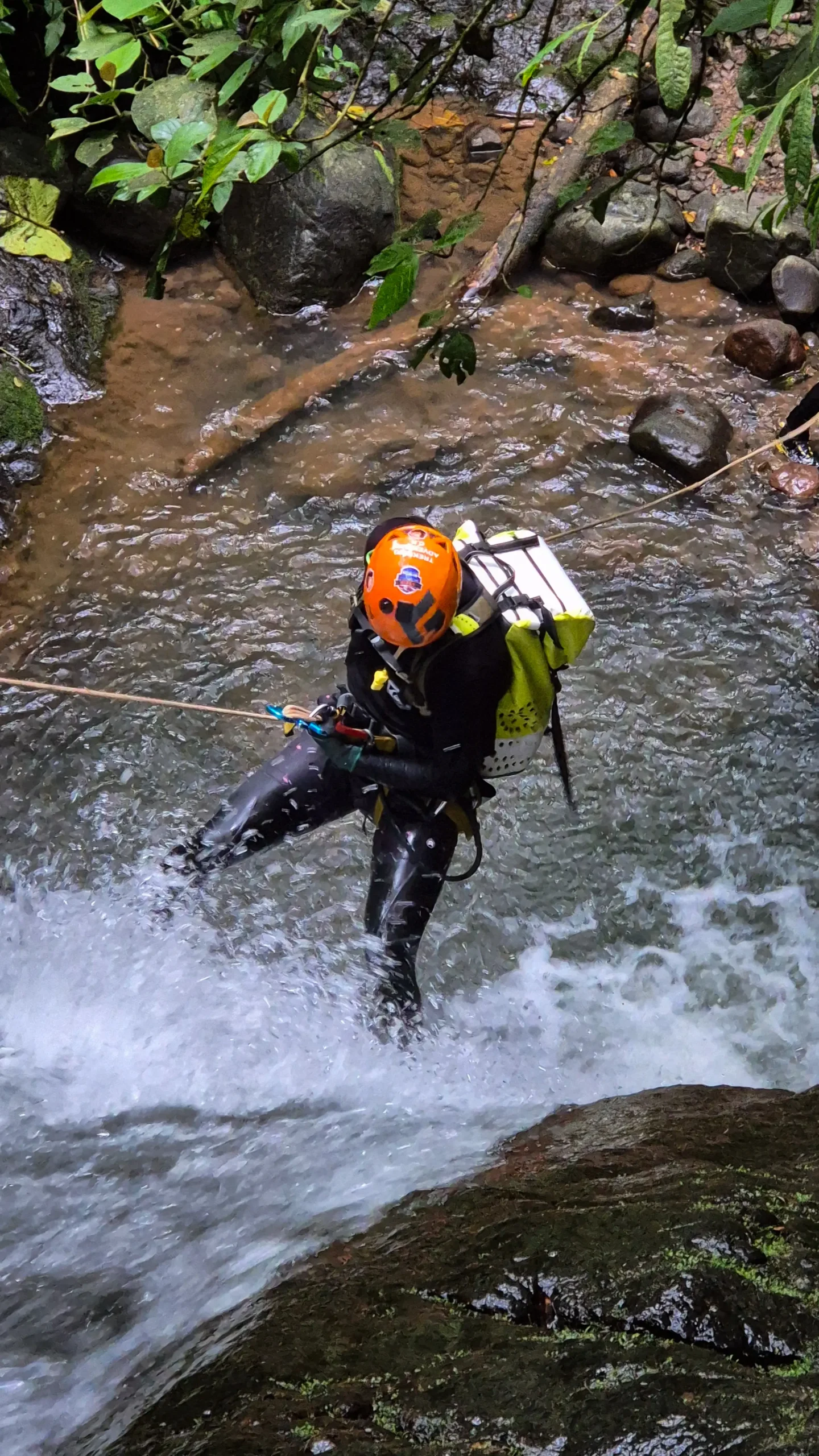
El Silencio
Turrialba (Sitio Mata)
5 rappels · 1 waterslide · 3 km hiking · Lunch included
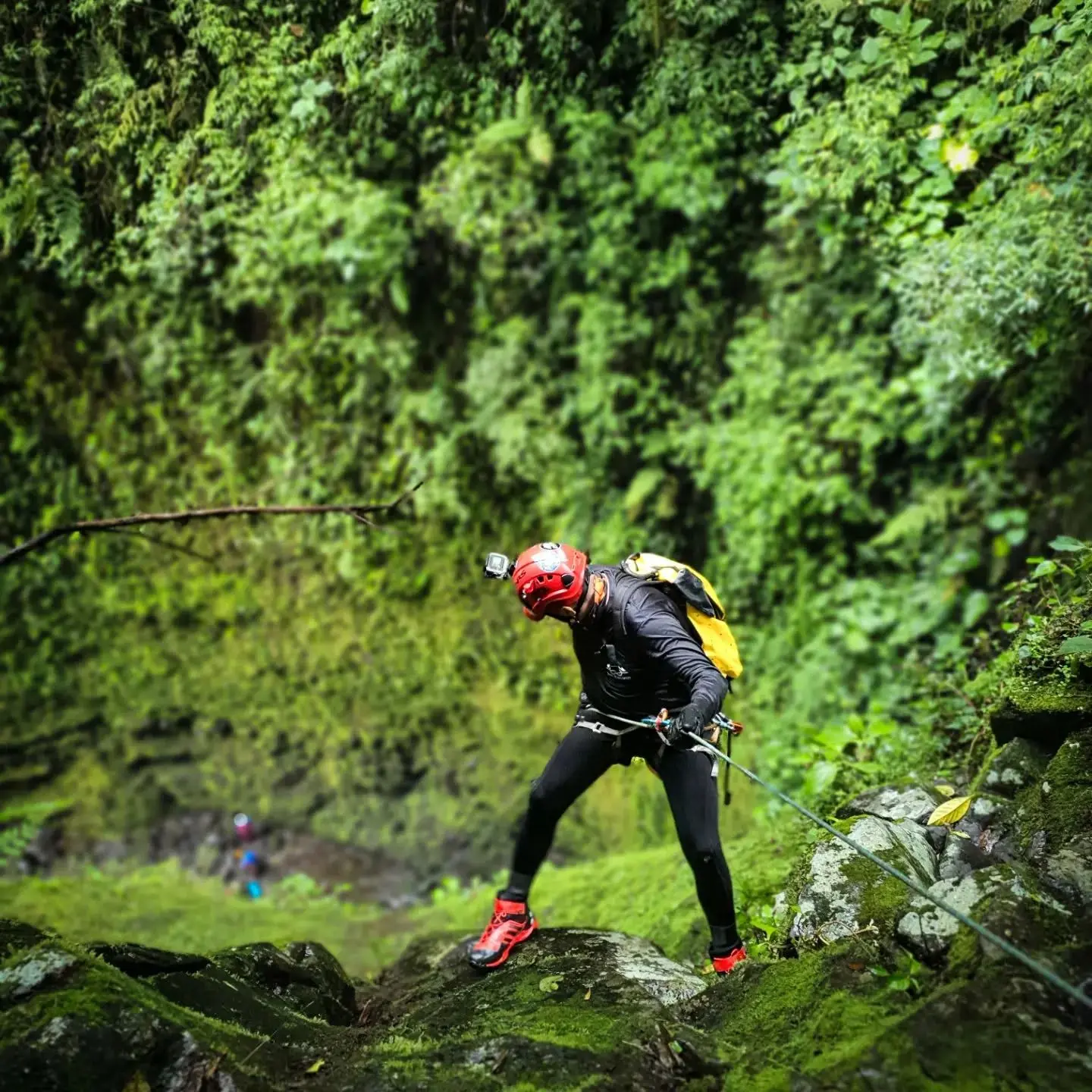
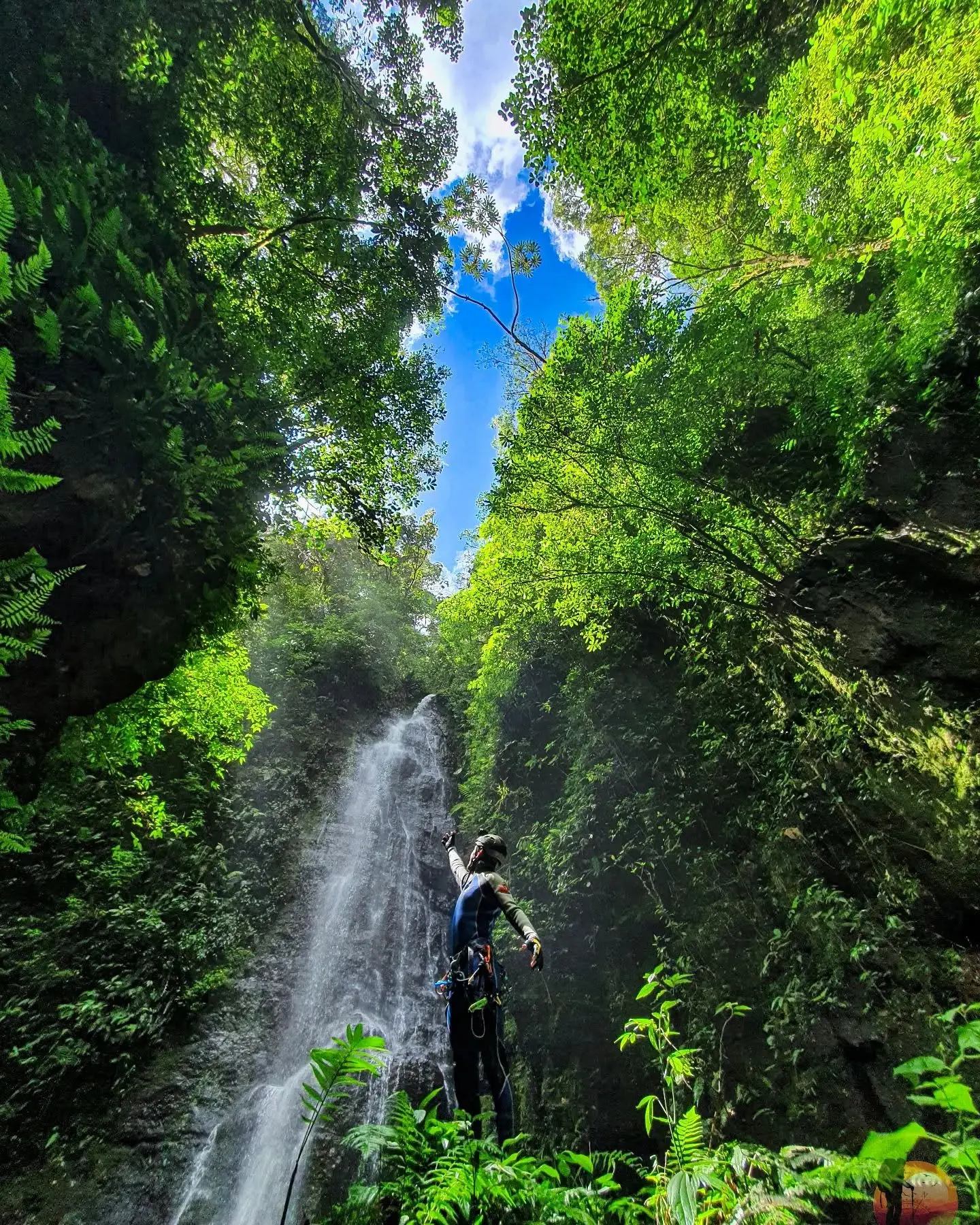
Emerald Canyon
Sucre (Ciudad Quesada), San Carlos
3.5 km hiking · Guides · Showers & parking
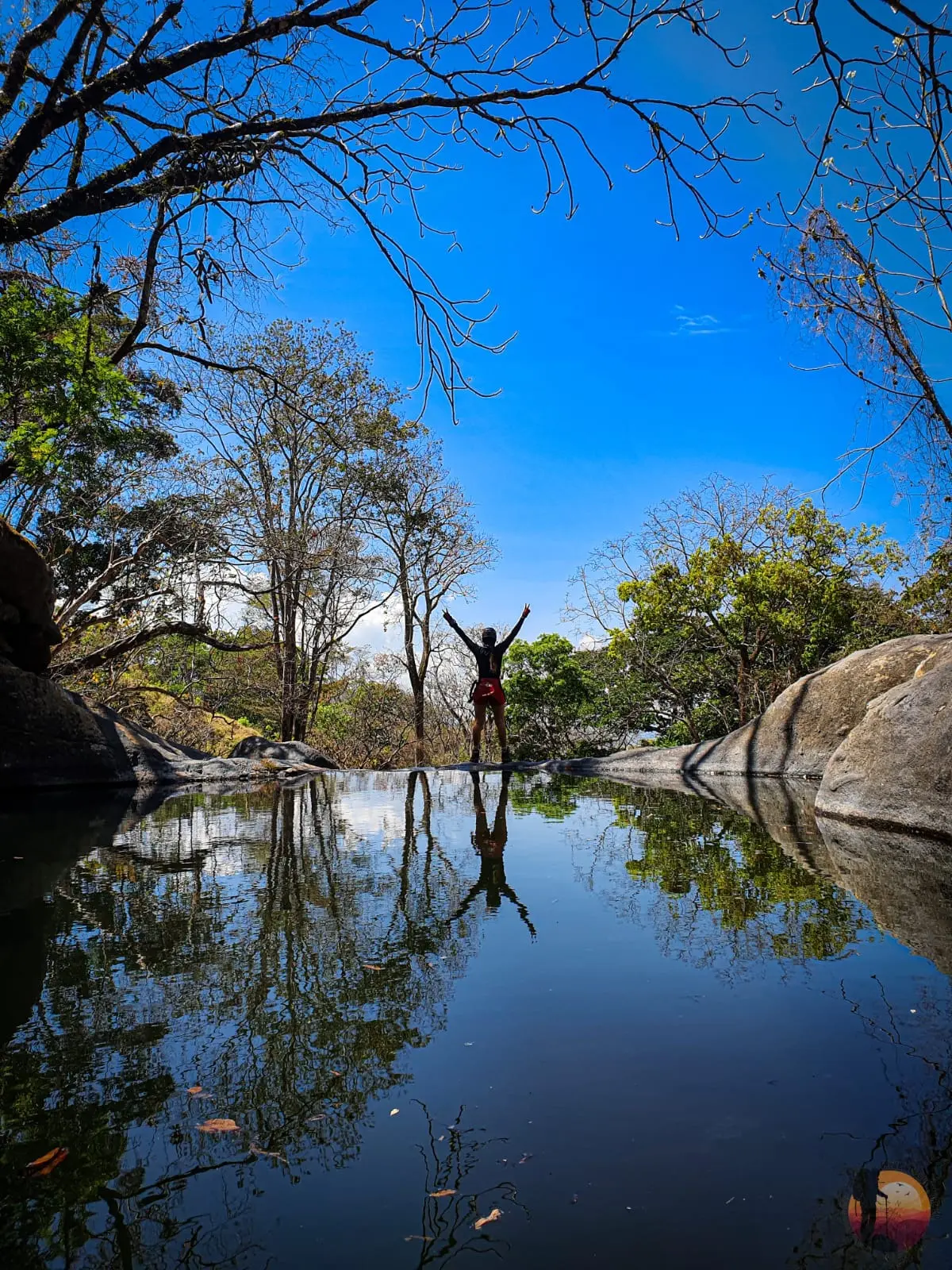
Desmonte
Orotina
7 rappels · 3 waterslides · 3 jumps · 2.5 km hiking
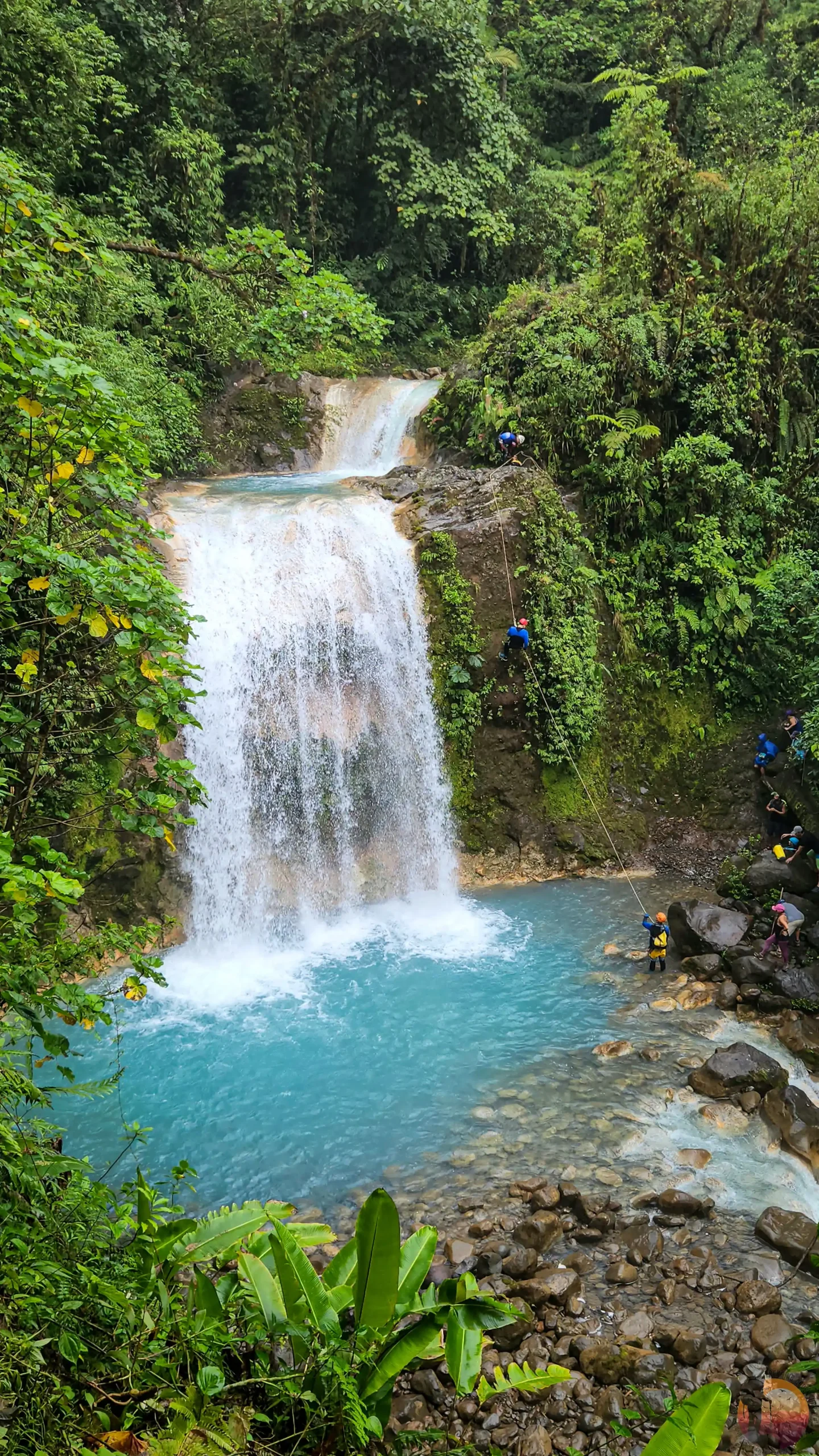
Gata Media
Bajos del Toro, Alajuela
4 rappels · 5 waterslides · 4 km hiking
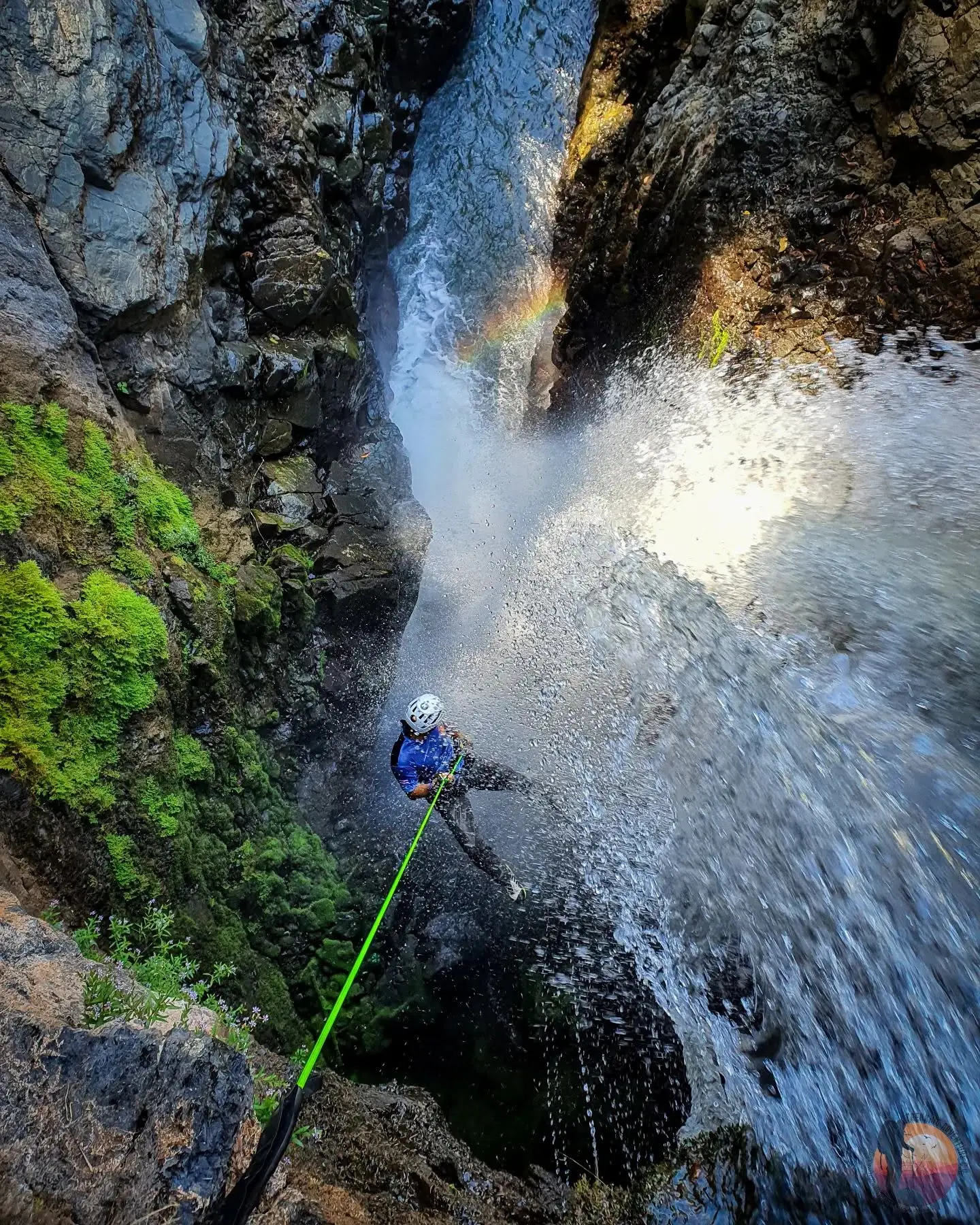
Bijagual Waterfall
Bijagual
8 rappels · 3 jumps · 3.5 km hiking or horseback
Intermediate Canyons
More rappels, longer hikes and less hand-holding between drops. You do not need to be an expert, but you should be comfortable with heights and have some outdoor stamina.
Do I need experience for an intermediate canyon?
Not strictly, but it helps. Guides still handle the technical rigging — you should just be reasonably fit and comfortable rappelling without step-by-step coaching. Intermediate canyons require basic canyoning knowledge and at least a few completed canyons already under your belt.
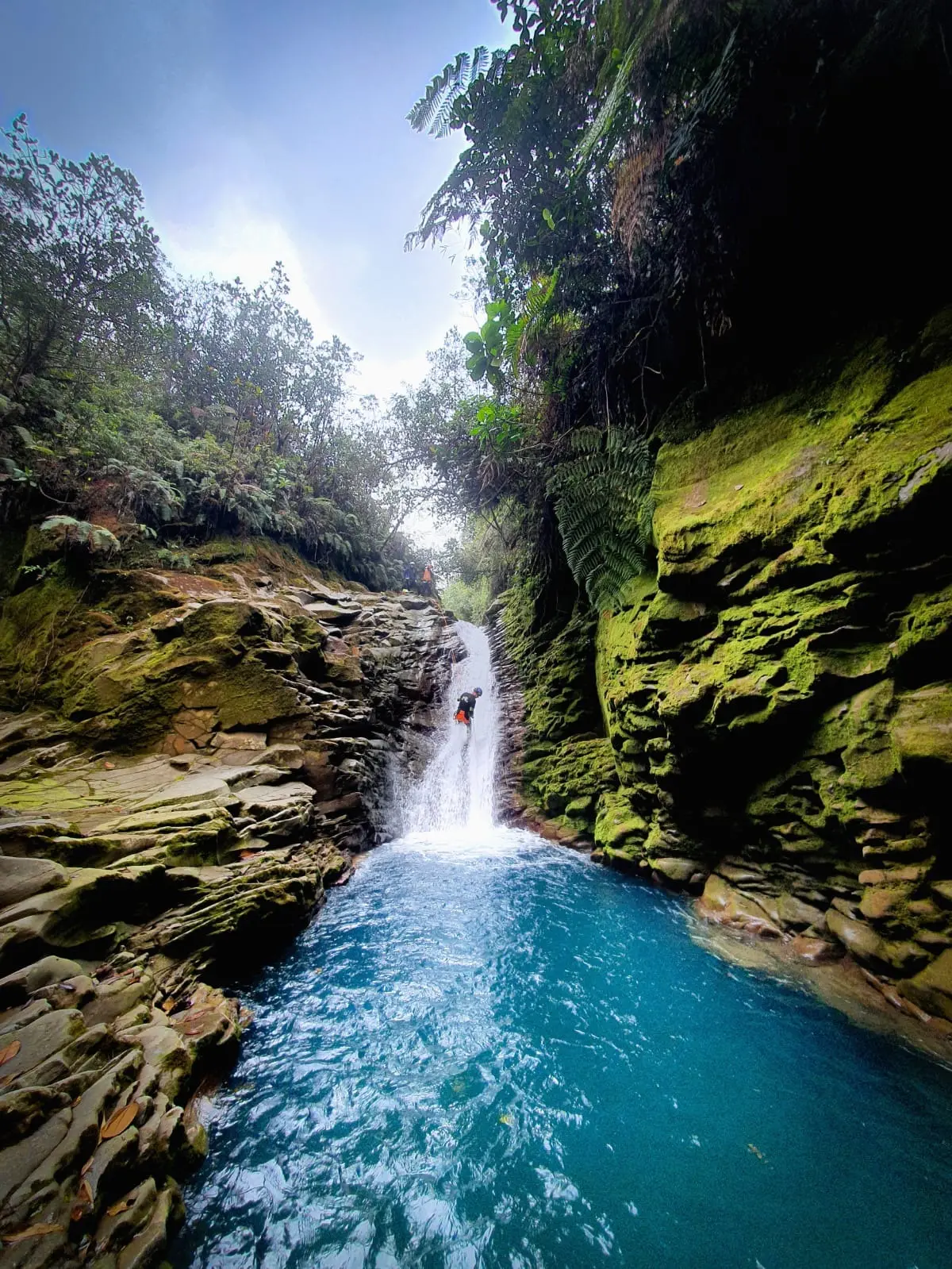
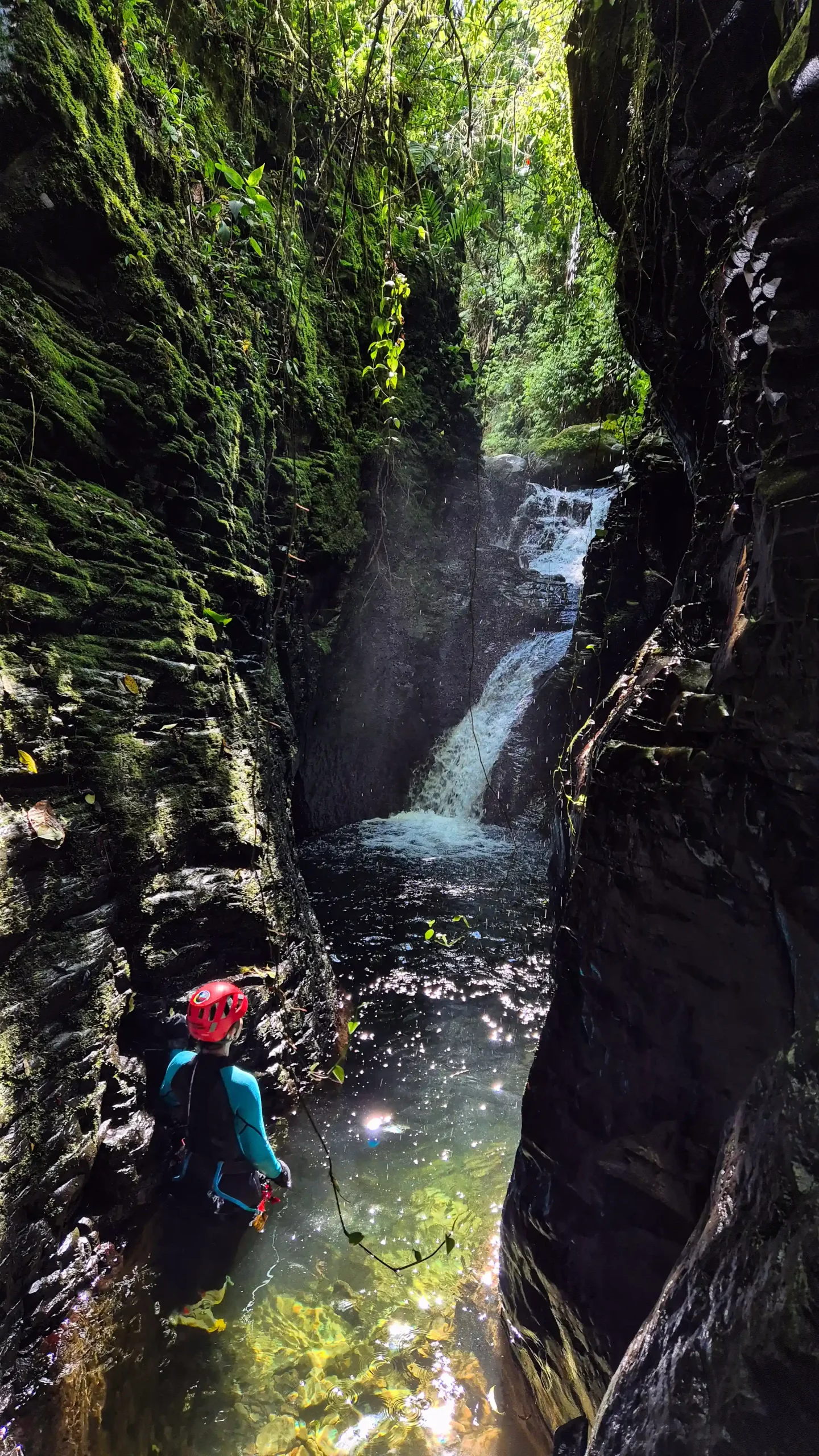
Mordor Medio
Bajos del Toro (Poás Volcano)
5 rappels · 3 jumps · 3 waterslides · 5 km hiking
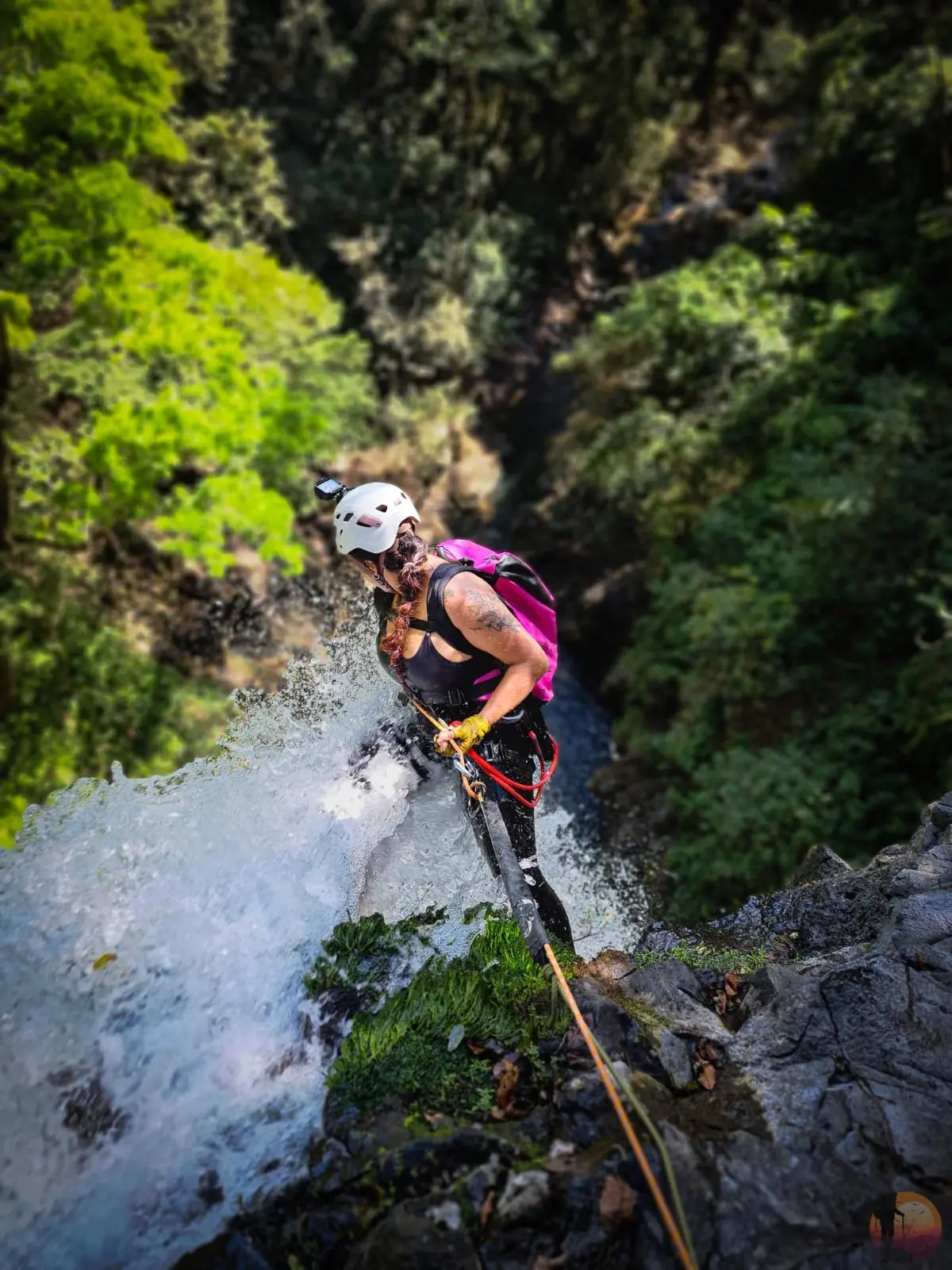
Las Trillizas
Santa Cruz de Turrialba
6 rappels · 4 jumps · 3 waterslides · 2 km hiking
Advanced Canyons
Ten-plus rappels, full-day commitments and canyons that move fast. These routes are for canyoners already comfortable with heights, exposure and a physically demanding day on rope.
Who should book an advanced canyon?
Canyoners with prior rappelling or canyoning experience, solid physical fitness, and comfort with heights and prolonged exposure. Advanced canyoners need full, 100% autonomy on rope, self-rescue experience, and their own equipment.
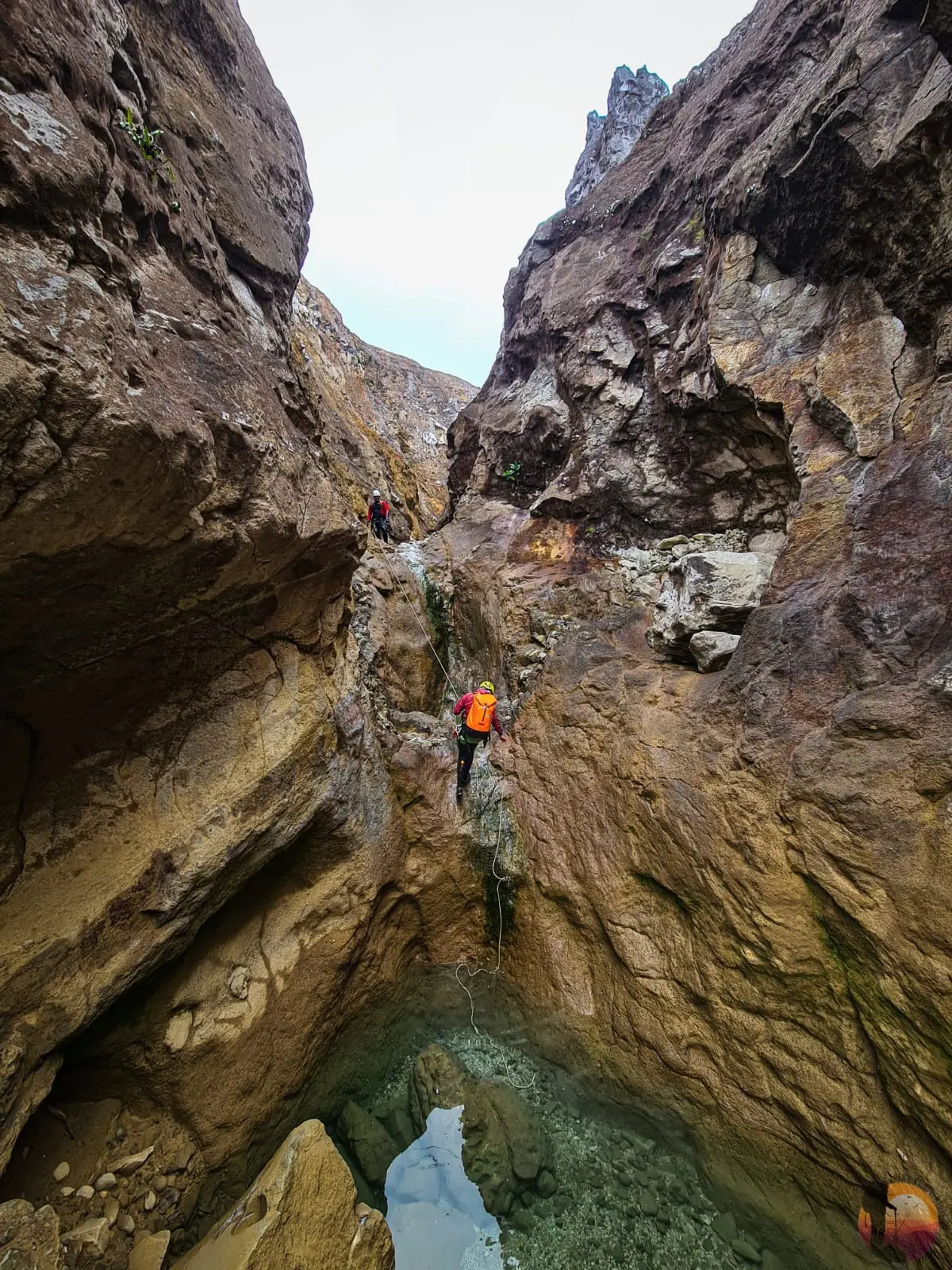
Mordor Canyon
Bajos del Toro (Poás Volcano)
12 rappels · 10 jumps · 3 waterslides · 10 km hiking
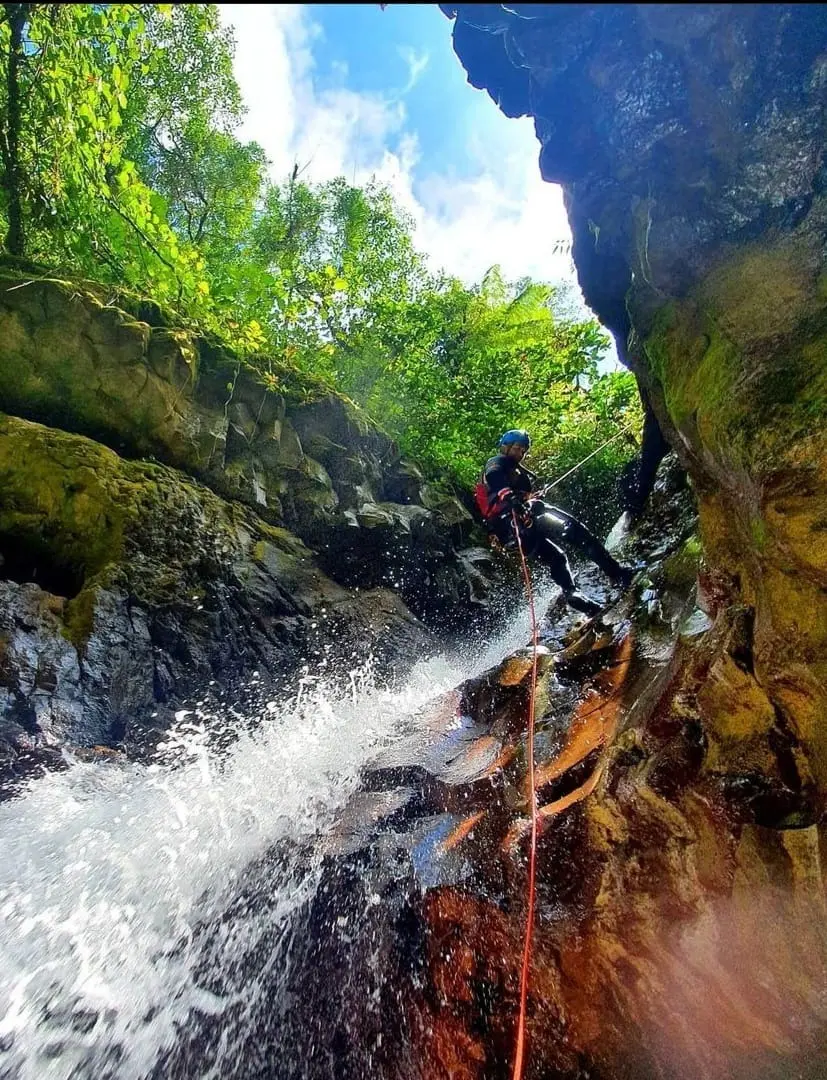
Tesoro Escondido
Bajos del Toro
5 rappels · 2 waterslides · 2 jumps
Plan Your Trip
Canyoning Seasons by Zone
Unlike rafting, canyoning is less about chasing higher water and more about safe, consistent flow. Guides assess each canyon’s conditions before every departure, regardless of season.
| Zone | Canyons | Best Season | What to Expect |
|---|---|---|---|
| Bajos del Toro (Poás Volcano) | Gata Media, Gata Fiera, Mordor, Mordor Medio, Tesoro Escondido | Year-round | High-altitude cloud forest with consistently high rainfall — waterfalls stay full most of the year. |
| Turrialba | El Silencio, Las Trillizas, El Santuario | May–December | Best flow in the green season; guides check each canyon’s conditions before every departure. |
| Orotina / Ruta 27 (Pacific slope) | Desmonte, La 51 y La Iglesia | May–November | Lower elevation and warmer — flow depends more directly on rainfall than the volcano-fed canyons. |
| Ciudad Quesada / San Carlos | Ciudad Esmeralda | May–November | Similar rain-dependent pattern to the Pacific-slope canyons. |
| Bijagual | Bijagual Waterfall | Year-round (route varies by level) | One of Costa Rica’s tallest waterfalls, with beginner-to-advanced route options depending on conditions. |
Choose Your Canyon
Which Canyon Should You Book?
Two questions decide it: which region fits your trip, and how much rope work you actually want.
Bajos del Toro vs. Turrialba
Bajos del Toro, on the slopes of Poás Volcano, is Costa Rica’s canyoning epicenter — home to Gata Media, plus the more demanding Mordor and Gata Fiera. Its high elevation and heavy rainfall keep waterfalls flowing consistently for most of the year. Turrialba, the country’s other major hub, is home to El Silencio and Las Trillizas — a more approachable circuit best in the green season.
Beginner vs. Advanced Canyons
The difference is not just the number of rappels — it is pace and exposure. Beginner canyons like El Silencio or El Santuario run three to four rappels with plenty of guide instruction between drops. Advanced canyons like Mordor, with twelve rappels and ten jumps over ten kilometers, move faster and expect canyoners to be comfortable with heights and physically fit for a full day on rope.
Not sure which canyon fits your group? Message our guides directly and get a real answer, not a sales pitch.
Chat with Expert GuidesQuick Answers
Costa Rica Canyoning, Quick FAQs
The questions people ask before they have even chosen a canyon — safety, cost, timing and who it is for.
Is canyoning safe in Costa Rica?
Yes, when booked with a certified operator. Reputable companies use certified rappelling gear, guides trained in canyon rescue, and check conditions before every departure.
What is the best time of year for canyoning in Costa Rica?
Bajos del Toro canyons run consistently year-round thanks to heavy rainfall at altitude. Turrialba and Pacific-slope canyons are best in the green season, roughly May through November.
How much does canyoning cost in Costa Rica?
Guided tours typically run $80–$250 per person, depending on the canyon, the number of rappels, and group size.
Can beginners go canyoning in Costa Rica?
Yes. Beginner canyons like El Silencio and El Santuario run three to five rappels with full guide instruction — no previous experience needed.
What is the minimum age for canyoning?
It varies by canyon and operator, typically 8 years old for beginner routes.
Where is the best canyoning in Costa Rica?
Bajos del Toro, on the slopes of Poás Volcano, is considered the country’s canyoning epicenter, with Turrialba as the other major hub.
What is the difference between canyoning and rappelling?
Rappelling is descending a rope; canyoning combines rappelling down waterfalls with hiking, waterslides and swimming through a river canyon.
What should I wear for canyoning?
Quick-dry clothing, a swimsuit underneath, and closed-toe shoes that can get wet.
Choose Your Next Costa Rica Adventure
Explore canyoning, hiking and rafting tours or send us your preferred date and group size.