
Poás vs Arenal vs Irazú vs Rincón de la Vieja: Which Volcano Should You Visit?
Four volcanoes, four very different days out. A side-by-side look at access, crater views and which one actually fits the rest of your itinerary.
See the quick answers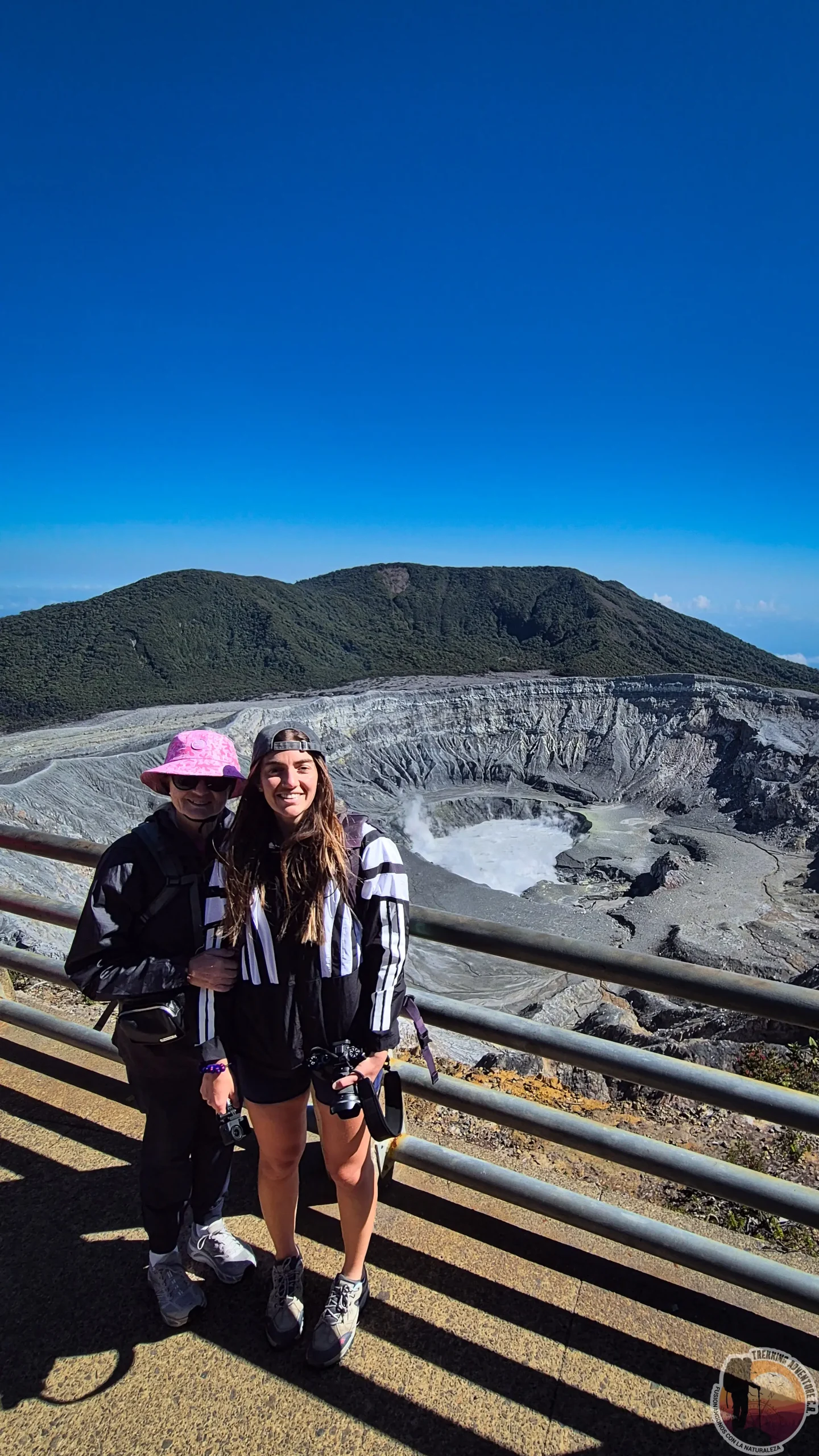 4 Volcanoes · Compared
Quick Answers
Costa Rica Volcanoes, At a Glance
Which volcano is closest to San José?
Poás and Irazú, both roughly 1.5–2 hours away by car.
Which volcano has the most dramatic crater?
Irazú, Costa Rica’s highest volcano, with the largest and most striking crater lake.
Can I always see Arenal’s cone?
Not reliably — cloud cover often hides the summit. Mornings offer the best odds.
Which volcano pairs well with other activities?
Arenal, sitting inside the La Fortuna adventure hub near hot springs, canyoning and rafting.
Which volcano requires the longest drive?
Rincón de la Vieja, roughly four to five hours from San José in Guanacaste.
Do I need a reservation to visit?
Yes for Poás, through SINAC’s timed-entry system. The others allow walk-in entry.
Four Very Different Volcano Days
Costa Rica’s volcanoes do not deliver the same day. Poás and Irazú sit within a couple of hours of San José and work well as a half-day trip, Arenal anchors an entire adventure region near La Fortuna, and Rincón de la Vieja, tucked into Guanacaste, rewards travelers already based on the North Pacific coast. Picking the right one depends less on which volcano is best and more on where the rest of your trip is happening.
Poás: Closest to San José, Easiest Access
At just under two hours from the capital, Poás is the most accessible of the four, with a paved road leading almost to the crater rim and a short, easy path from the parking area. The volcano’s turquoise, highly acidic crater lake is one of the most photographed in Costa Rica, though gas activity occasionally forces short closures. Visits run on a timed-entry system through SINAC, so tickets need to be booked online in advance — same-day entry is not guaranteed.
Arenal: Best Combined with Adventure Tours
Arenal’s near-perfect cone makes it Costa Rica’s most photographed volcano, but the summit spends much of the day wrapped in cloud, so a clear view is never guaranteed. What Arenal offers instead is location: La Fortuna sits at its base, packed with hot springs, canyoning routes and rafting put-ins, so a volcano viewpoint stop fits naturally alongside a full day of other activities rather than standing alone.
Irazú and Rincón de la Vieja: The Extremes
Irazú, Costa Rica’s highest volcano at just over 3,400 meters, has the most dramatic crater of the group — a wide, often green-tinted lake best seen before midday clouds roll in. Rincón de la Vieja sits at the opposite extreme: still geothermally active, with bubbling mud pots, fumaroles and hot springs spread across a national park built more for hiking than for a quick viewpoint stop, and it demands the longest drive of the four.
Which Volcano Fits Your Trip
- Based near San José with a half day free: Poás or Irazú, both reachable without an overnight stay
- Staying in La Fortuna or planning canyoning and rafting: Arenal, already at the center of the action
- Chasing the clearest crater photos: Irazú, visited early morning before the clouds arrive
- Interested in hiking, mud pots and hot springs rather than a quick viewpoint: Rincón de la Vieja
- Short on time with only one volcano to spare: Poás, for the easiest access from San José
Before You Go
Costa Rica Volcanoes FAQs
Access, crater views, reservations and timing — everything worth knowing before you pick a volcano.
Poás and Irazú are both roughly 1.5–2 hours by car. Arenal, near La Fortuna, is about 3 hours. Rincón de la Vieja, in Guanacaste, takes 4–5 hours.
Irazú generally offers the clearest, most dramatic crater lake, especially in the early morning before clouds move in.
Yes. Poás National Park uses a timed-entry ticket system through SINAC, and same-day walk-in entry is not guaranteed.
Not reliably. Cloud cover often hides the cone for part or all of the day; mornings tend to offer the best odds.
Poás, thanks to its short, easy path from the parking area and easy half-day trip from San José.
For travelers already in Guanacaste or interested in hiking and geothermal features rather than just a viewpoint, yes.
Yes, though Poás and Irazú pair more easily since both are near San José; Arenal and Rincón de la Vieja fit better into regional itineraries.
Not currently — volcano visits sit outside our regular canyoning, hiking and rafting routes. Have a look at our other guides in the meantime, or get in touch with any questions.
Choose Your Next Costa Rica Adventure
Explore canyoning, hiking and rafting tours or send us your preferred date and group size.