Whitewater Rafting
Rafting Tours in La Fortuna, Costa Rica
Class III whitewater on the Balsa River, 15 kilometers of rapids through rainforest near La Fortuna and Arenal Volcano. Full gear, certified guides, and a river that runs year-round.
See the tour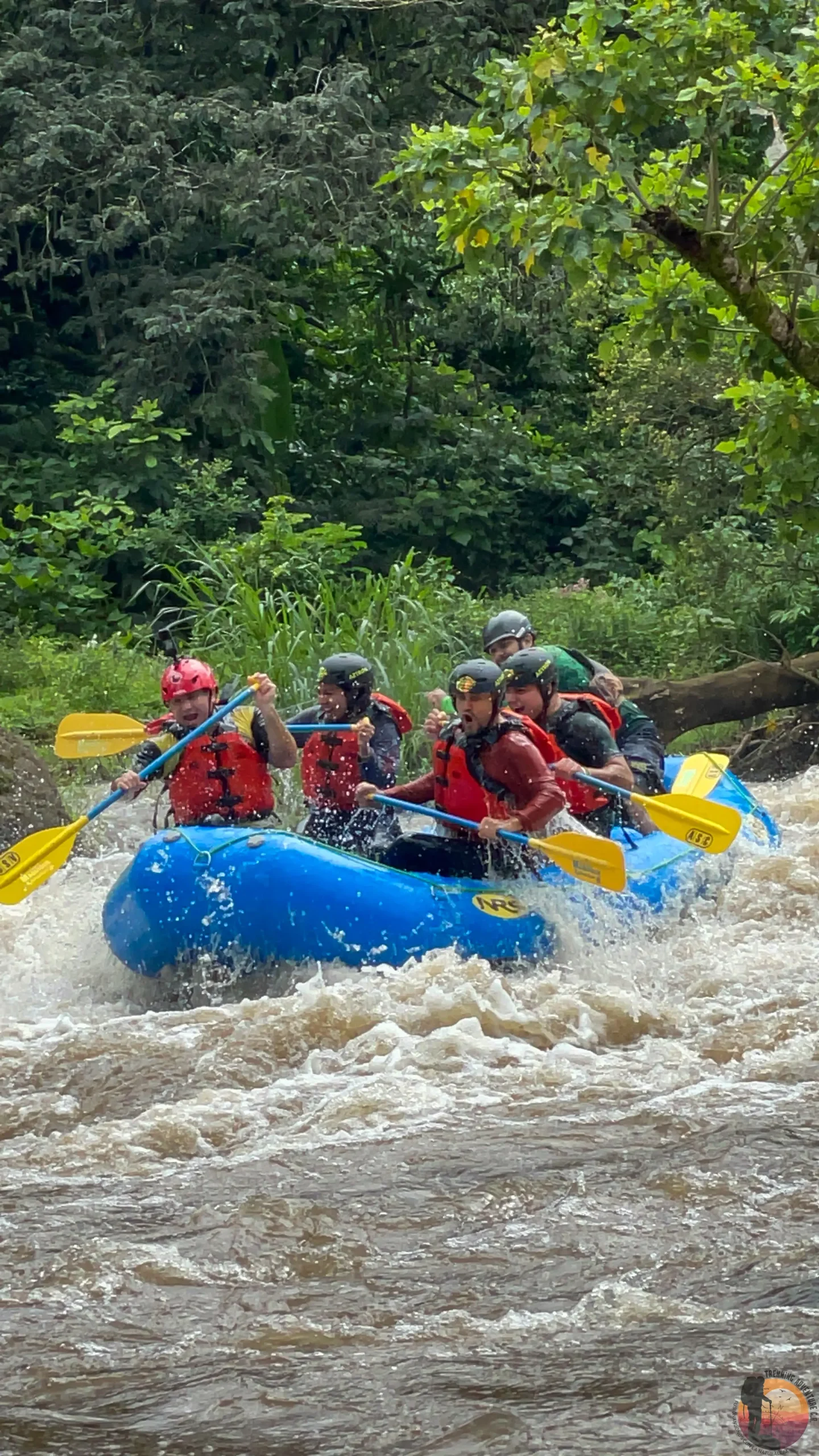 Class III · 15 km
Why the Balsa River
Costa Rica’s Most Approachable Whitewater
The Balsa River sits about 30–45 minutes from La Fortuna, at the base of Arenal Volcano. It has earned a reputation as the country’s best beginner-friendly rafting river — real Class III rapids, without needing any previous experience.
Runs Year-Round
Upstream hydroelectric dams regulate the Balsa’s flow, so the rapids stay consistent in both the dry and green seasons — no waiting for the right weather window.
Suitable for Everyone
Real Class III rapids, sized for first-timers and families alike. No previous rafting experience is required — our guides handle the technical reading of the river.
Rainforest & Wildlife
Between rapids, the river slows through dense rainforest — expect monkeys, toucans and the occasional sloth along the banks.
The Tour
Book the Balsa River Rafting Tour
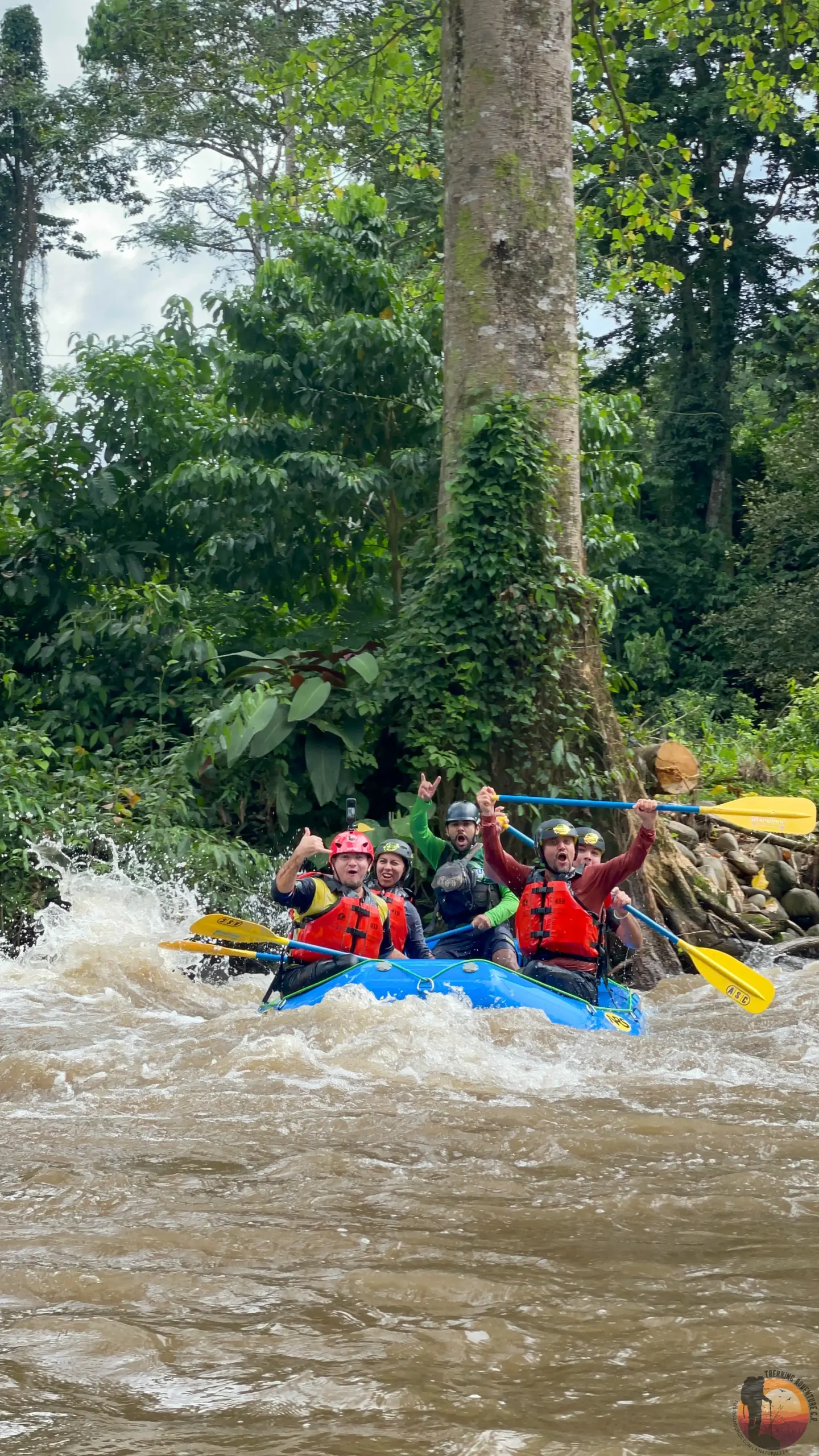 White Water Rafting
Rafting La Fortuna Balsa River Class III
Suitable for everyone — no previous experience needed
- Full rafting gear (life jacket, helmet, paddle)
- Certified bilingual guides
- 15 km of Class III whitewater
- Trail snacks
- Photo package
- Lunch at the end of the tour
$95 per person
Meeting point: Terraza 86 Restaurante, Balsa River, near La Fortuna, Alajuela. View on Google Maps.
Before You Book
Rafting La Fortuna FAQs
Experience, age requirements, safety, pricing and what to bring — everything before you book.
No. The Balsa River is considered one of Costa Rica's best rivers for first-time rafters. Our guides handle the technical reading of the rapids — you just need to paddle and follow instructions.
Participants must be at least 8 years old. The Class III rapids on this section of the Balsa River are sized to be exciting without being overwhelming for younger paddlers.
Yes. Upstream hydroelectric dams keep the Balsa River's flow steady through both the dry and green seasons, so the tour operates reliably year-round.
Closed-toe shoes that can get wet (no flip-flops or sandals), quick-dry clothing, a swimsuit underneath, and a change of clothes for after the tour. Sunscreen and a reusable water bottle are also a good idea.
The rafting itself covers 15 kilometers of the Balsa River. Including gear-up, the safety briefing, the descent and lunch afterward, plan for approximately five hours.
The tour meets directly at the Balsa River, near La Fortuna. Message us on WhatsApp with the location of your accommodation and we can help you plan the drive or arrange pickup.
Yes. Every departure uses certified bilingual guides, full safety gear, and a mandatory safety briefing before entering the water. River and weather conditions are checked before every departure, and the tour only runs when they meet our safety criteria.
The Balsa River Rafting tour is $95 per person, including gear, guides, snacks, a photo package and lunch.
Rain rarely cancels the tour, since the Balsa River's dam-regulated flow stays within a safe range in both seasons. If conditions genuinely are not safe on a given day, we contact you directly to reschedule or refund.
The Big Picture
Costa Rica Rafting Adventure
Costa Rica is one of the world’s premier whitewater destinations, and the reason is geography: steep volcanic terrain, heavy rainfall, and warm water year-round mean the country is threaded with runnable rivers from the Caribbean lowlands to the Pacific coast. Rapids are rated on the international Class I–VI scale. Class I is a gentle float; Class II–III covers the friendly, approachable rapids most first-time rafters paddle; Class IV demands real technical boat handling; Class V is expert-only, with long, violent, difficult-to-rescue rapids; and Class VI is considered at the edge of what is runnable at all.
Most guided tours in the country run Class II–III water — exciting enough to feel like a real adventure, gentle enough that no previous experience is required. The Pacuare River near Turrialba is the country’s best-known run, a Class III–IV descent through roadless jungle. The Reventazón offers a shorter, family-friendly introduction. Near La Fortuna and Arenal Volcano, the Balsa River has earned its reputation as the country’s most approachable beginner river, while the Peñas Blancas offers a calmer safari float. On the Pacific side, the Naranjo and Savegre rivers serve the Manuel Antonio and Quepos area.
Plan Your Trip
Costa Rica Rafting Seasons by River
Costa Rica has two seasons that matter for rafting: a dry season (roughly December through April) and a green season (roughly May through November) that brings higher, more exciting water to rain-fed rivers. A few rivers, including the Balsa, run consistently in both thanks to upstream dam regulation.
| River / Zone | Class | Best Season | What to Expect |
|---|---|---|---|
| Balsa River (near La Fortuna) | Class II–III | Year-round | Upstream hydroelectric dams keep the flow steady in both seasons — the most consistent river on this list. |
| Peñas Blancas (near La Fortuna) | Class I | Year-round | A gentle safari float rather than whitewater — wildlife-watching, suitable for young children. |
| Pacuare River (Turrialba) | Class III–IV | May–December | Costa Rica’s signature river, through remote jungle gorge. Runnable year-round, but water is highest and most exciting in green season. |
| Reventazón River (Turrialba) | Class II–IV | Year-round | Dam-regulated sections keep several stretches runnable even in the dry months. |
| Sarapiquí River (Sarapiquí) | Class I–IV | May–December | Difficulty varies sharply by section, from a family-friendly Class I–II float to a Class III–IV run — rainfall-dependent. |
| Naranjo River (near Quepos) | Class III–IV | June–November | Rain-fed, not dam-regulated — dry-season flow is usually too low to run. |
| Savegre River (near Manuel Antonio) | Class II–IV | May–January | A gentler, more scenic alternative to the Naranjo, with a longer runnable season. |
| Tenorio River | Class III–IV | Year-round (upper section, partial) | Partial dam regulation keeps some stretches consistent; others still follow the rain. |
Choose Your Zone
Where to Go Rafting in Costa Rica
The right rafting zone depends less on which river is “best” and more on where the rest of your trip already is. Here is how the country’s main rafting regions actually compare.
La Fortuna vs. Sarapiquí
La Fortuna, at the base of Arenal Volcano, is built around one standout river: the Balsa, a Class II–III run that stays consistent year-round thanks to upstream dam regulation. It is the easiest zone to add rafting to an itinerary already centered on Arenal, and the most reliable choice for first-timers and families. Sarapiquí, in the Caribbean lowlands, is built around one river with multiple personalities — sections ranging from a gentle Class I–II float to a Class III–IV run, so the zone suits travelers who want to choose their own difficulty without changing rivers.
Turrialba vs. Manuel Antonio
Turrialba is the destination for travelers whose main goal is rafting itself — home to the Pacuare, widely considered Costa Rica’s best river trip, plus the more approachable Reventazón for a shorter, family-friendly run. Manuel Antonio, on the Pacific coast, treats rafting as an add-on to a beach and national-park trip: the Naranjo and Savegre rivers are a short drive from Quepos, convenient for travelers who do not want to detour inland just to raft.
Not sure which river fits your trip? Message our guides directly and get a real answer, not a sales pitch.
Chat with Expert GuidesQuick Answers
Costa Rica Rafting, Quick FAQs
The questions people ask before they have even chosen a river — safety, cost, timing and who it is for.
Is rafting safe in Costa Rica?
Yes, when booked with a certified operator. Reputable companies use trained guides, proper safety gear and check river conditions before every departure.
What is the best time of year for rafting in Costa Rica?
The green season, roughly May through November, brings the highest water levels. Dam-regulated rivers like the Balsa run reliably year-round.
How much does whitewater rafting cost in Costa Rica?
Full-day guided trips typically run $75–$140 per person, depending on the river and what is included.
Can beginners go rafting in Costa Rica?
Yes. Most guided tours run Class II–III water, built for first-timers — no previous experience needed.
What is the minimum age for rafting in Costa Rica?
It varies by river: as young as 4 for a gentle safari float, typically 6–8 for Class II–III rivers like the Balsa, and 12+ for advanced rivers like the Pacuare.
Which river is best for rafting near La Fortuna?
The Balsa River — Class II–III rapids, a short drive from Arenal Volcano, and runnable year-round.
Do I need to know how to swim to go rafting?
Basic swimming comfort is recommended, but life jackets are mandatory and guides are trained in river rescue.
What should I wear for rafting?
Quick-dry clothing, a swimsuit underneath, and closed-toe shoes that can get wet.
Choose Your Next Costa Rica Adventure
Explore canyoning, hiking and rafting tours or send us your preferred date and group size.